







Search Results for: Huakui 9.0
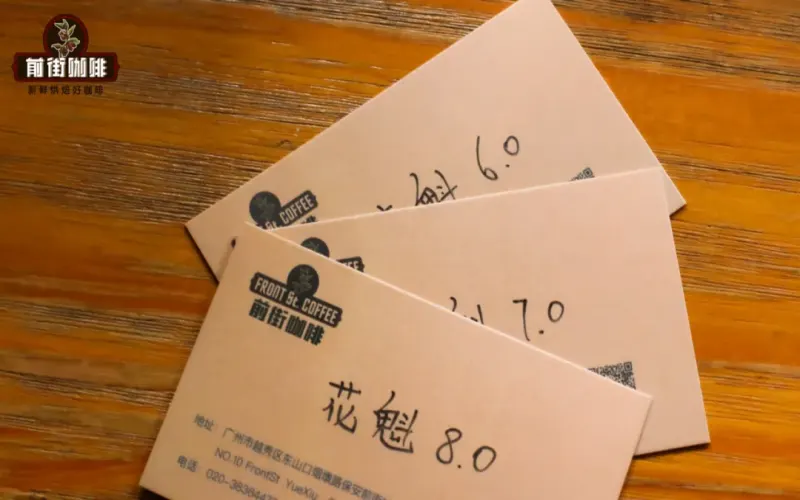
Why Is Geisha 9.0 Absent? The Origin of the Name Geisha X and an Analysis of the New-Season Geisha Flavor
The 2024 new-crop Huakui has already quietly hit the shelves, but many coffee enthusiasts have noticed that "Huakui 9.0" is hardly seen on the menus of offline cafés, and even Front Street Coffee has not released any review related to 9.0. Could it be that there really is no Huakui 9.0 this year? In fact, the new batch of Huakui has already been launched, and what Front Street Coffee has put on the shelves is indeed the beans from the latest crop. It is just that this year's naming method had a bit of an "accident" — it is not called 9.0, but "Huakui X." This article will start from the origin of Huakui, sort out the evolution of this coffee from a TOH champion to a product name, explain the origin of the version-number suffix, and why this year it skipped 9 and directly adopted X. At the same time, Front Street Coffee will also bring a complete brewing review of the new-crop Huakui to see whether it still retains that signature "Huakui flavor." [more…]

Analysis of the Differences Between Huakui 9.0, 8.0, and the New Harvest Hambela Huakui: A Full Overview of Ethiopian Heirloom Variety Flavor Characteristics
As the birthplace of coffee, Ethiopia's native Heirloom varieties always showcase unique styles across different regions. Front Street Coffee's Huakui is produced in the Hambela sub-region of the Guji zone, and has attracted much attention since winning the TOH championship in 2017. As the new harvest season arrives, Front Street Coffee's Huakui 9.0 has arrived as promised. This article will explore the differences between Huakui 9.0, Huakui 8.0, and the new-season Hambela Huakui, while also discussing what makes Ethiopian native varieties so special, and sharing Front Street Coffee's roasting and brewing suggestions for this new bean, giving you a comprehensive understanding of this coffee full of fruity flavors. [more…]
Ethiopian Huakui Coffee Beans | Are all coffees from Ethiopia's Hambela region called Huakui coffee?
This year marks the 9th year since "Huakui Coffee" rose to fame. If the previous naming conventions were followed, the Huakui released this year should logically carry a "9.0" suffix. But more than half the year has passed, and many friends have noticed that "Huakui 9.0" is almost nowhere to be seen on the menus of offline coffee shops! [more…]
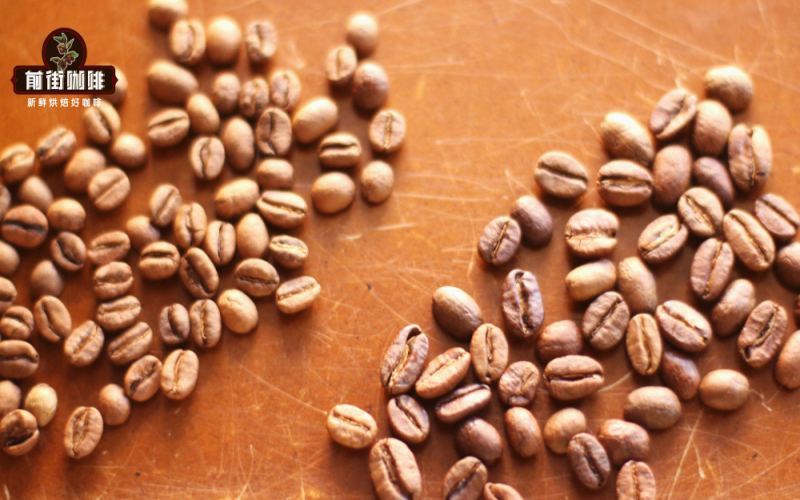
Analysis of the Origin of the Name "Huakui" Coffee and Its Producing Region Relationship with Geisha
Are Geisha coffee and Guixia coffee beans actually from the same origin? This question sparked quite a bit of discussion in the early days when Guixia rose to fame. This article will trace Geisha's journey to fame from the forests of Ethiopia to Panama's Hacienda La Esmeralda, explain the origins of the two names "Geisha" and "Guixia," and sort out the naming logic behind grading systems such as Red Label and Gold Label. At the same time, the article will also reconstruct the complete timeline of Guixia, from winning the 2017 TOH to the year-by-year updates of its version numbers, explaining the original meaning of the word "Guixia" in Japanese geisha culture and how it was mistakenly rumored to be a top-tier Geisha. Finally, Front Street Coffee will guide you through the specific differences between Guixia flavor and Geisha flavor, and offer region recommendations for getting started with Geisha. [more…]
Detailed Explanation of Yunnan Coffee Grade 2 Classification Standards: A Full Analysis of Physical, Chemical, and Hygiene Indicators and Quality Grades
Yunnan is a major coffee-producing region in China, and its coffee bean grading system is crucial for quality control. What tier does Special Grade 2 occupy? This article breaks down the specific requirements for Yunnan coffee beans at Special Grade 2 one by one, from appearance and sensory attributes, physical indicators, and chemical indicators to hygiene standards, including hard data such as a granule size of 7.1 mm, broken beans not exceeding 10%, and moisture content ≤12.5%. Understanding these standards not only helps you judge coffee bean quality but also helps you make wiser choices when purchasing. Front Street Coffee will also share related product information in the article, making it suitable for coffee enthusiasts who want to gain a deeper understanding of the grading logic for Yunnan beans. [more…]
How Does Water Quality Shape Cold Brew Flavor? Coffee Brewing Recommendations After Testing Four Types of Drinking Water
In a cup of black coffee, water makes up the vast majority, so its impact on flavor must not be underestimated. Different brands of drinking water vary in mineral composition, hardness, and pH, so the coffee brewed with them naturally takes on different characteristics. To investigate this variable, Front Street Coffee selected four common drinking waters—Baisui Mountain, Nongfu Spring, Ganten, and C'estbon—and used the same Costa Rica Mozart coffee beans to make cold brew, measuring TDS, coffee liquid concentration, and recording flavor performance one by one. The experiment found that the amount of calcium and magnesium ions in water affects extraction efficiency and taste direction, while Nongfu Spring with medium TDS and C'estbon purified water each showed distinct stylistic differences. This article will present the full experimental process and tasting results, and offer water selection suggestions for different taste preferences. [more…]
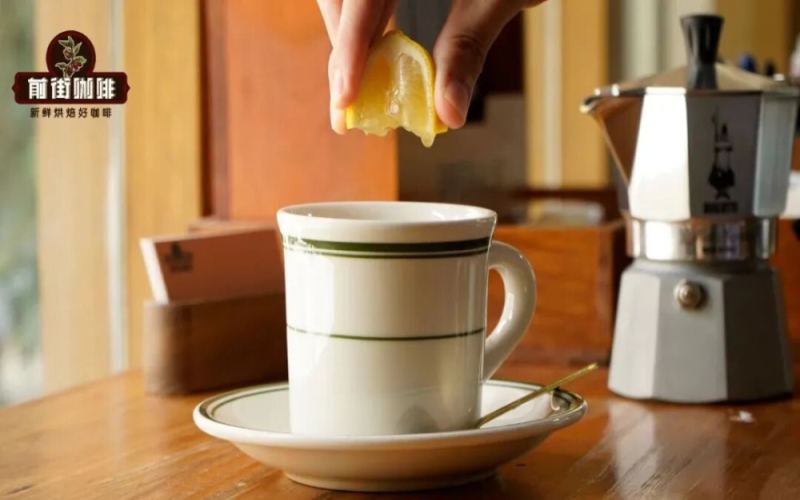
What Is Sicilian Coffee? A Complete Guide to Making Lemon Coffee with Cold Brew, Pour-Over, and Drip Bags
Lemons have always played an important role in Front Street's articles. They not only frequently appear in coffee bean flavor descriptions, but are also a core element of many creative specialty drinks, responsible for bringing fresh aroma and bright acidity. This Spring Festival, Front Street discovered a new pairing of coffee and lemon—Sicilian coffee. This drink has simple ingredients and high playability, with a very prominent lemon aroma. Although the name carries Italian flair, Sicilian coffee does not originate from Sicily, Italy, and there are varying accounts of its origin. This article will introduce the background of Sicilian coffee and share in detail three brewing methods: cold brew, pour-over, and drip bag. The coffee beans used are all from Front Street. Guodingding, allowing you to experience the refreshing charm of the fusion of lemon and coffee. [more…]

2021 Crop Huakui 5.0 vs. Small-Bean Huakui Coffee Comprehensive Review: Green and Roasted Bean Identification, Cupping Flavors, and Pour-Over Performance Comparison
The 2021 new-crop Huakui 5.0 coffee beans have arrived at the port. Front Street Coffee immediately carried out roasting and cupping, and specifically conducted a comparison with its own beloved small-bean Huakui coffee beans. This article will guide you through the evolution of the Huakui series from the 2017 TOH champion beans to Huakui 5.0, and explain why small-bean Huakui stands independently outside the X.0 series. Then, through a visual comparison of green beans and roasted beans, differences in cupping flavors, and performance under a unified pour-over recipe, it will present in detail the characteristics of the two beans: small-bean Huakui is closer to the rich strawberry-cream profile of the classic 2017 Huakui, while Huakui 5.0 shows brighter berry acidity and floral notes. Whether you are a Huakui enthusiast or are currently selecting new-crop beans, this review can provide practical reference. [more…]
New Season Sidamo Natural Huakui 7.0 Coffee Bean Flavor Analysis and the Reveal of Hambela Huakui's Origins
Every year before the new-crop Huakui coffee beans arrive at port, the domestic coffee community is already abuzz with discussion. In May 2023, Huakui 7.0 officially arrived in China, yet it sparked considerable skepticism: Why doesn't it taste like "Huakui"? Why do the flavors lean toward Yirgacheffe? Is it still Huakui if it's not from the Buku Abel processing station? This article starts from the origins of Huakui, traces how the 2017 TOH championship batch got its name, analyzes the relationship between Buku Abel village and the surrounding processing stations, explains the flavor expression of Huakui 7.0 and the typical characteristics of Sidamo natural beans, and shares Front Street Coffee's roasting and cupping results for this batch of new beans. [more…]
Analysis of the Flavor Characteristics of Hand-Brewed Huakui 6.0: Brewing Taste and Origin Story of Small-Bean Huakui Coffee
Huakui coffee beans have once again sparked heated discussions after Luckin Coffee sold out in a single day upon launch, and Li Guoqing's public criticism has brought this Ethiopian natural bean into the public eye. Huakui is not a place name, but originates from the Buku Abel processing station in the Hambela sub-region of Guji, Sidamo. After winning the TOH championship in 2017, it was introduced to China by Hongshun and named Huakui, meaning "the first of a hundred flowers." Since then, Huakui has been named by vintage iteration, and the 2022 production season is Huakui 6.0. On Front Street Coffee's bean list, in addition to Huakui 5.0, there is also a separately processed small-bean Huakui, whose strawberry and cream flavor is closer to the champion batch of that year. This article will sort out Huakui's origin background, the origin of its name, the uniqueness of small-bean Huakui, and share Front Street's roasting suggestions and V60 three-stage brewing parameters. [more…]
Analysis of the Huakui 6.0 Coffee Bean Variety: An Introduction to the Flavor, Taste, and Brewing of Huakui SOE from the Guji Sidamo Region
In recent years, Huakui coffee beans have risen to fame in the specialty coffee world, and are even regarded as an Ethiopian representative capable of rivaling Geisha. In 2017, Li Jianfei won runner-up in the China region of the World Brewers Cup with a Sidamo natural Huakui, quickly making this bean popular. What variety does Huakui actually belong to? Does it come from Sidamo or Guji? Why are there versions such as 2.0, 3.0, and even 6.0? This article will sort through the origin of the name Huakui, the producing region background, processing methods, version evolution, variety characteristics, and the cupping performance of each version, with a focus on introducing the flavor characteristics and brewing suggestions of Front Street Coffee Huakui 6.0, to help coffee enthusiasts gain a comprehensive understanding of this legendary natural bean. [more…]
What variety is Huakui coffee? How does Huakui 8.0 differ from 7.0? Is Huakui the same as Geisha?
Friends who enjoy coffee with fruity acidity are certainly no strangers to Front Street Coffee's Ethiopia Sidamo Huakui. Since this bean first appeared in 2017, it has gone through eight harvest seasons, and the latest batch has, as usual, been named "Huakui 8.0." Many people new to specialty coffee often confuse Huakui with Geisha, and some even think Huakui is a top-tier Geisha—but in reality, the two are completely different. This article will start with Huakui's origin background, the story behind its name, and the meaning of its version numbers, then combine that with the actual brewing performance of Front Street Coffee's Ethiopia Sidamo Natural Huakui 8.0 to give you a comprehensive understanding of this champion bean's past and present, and to explain exactly what its signature "Huakui flavor" really is. [more…]
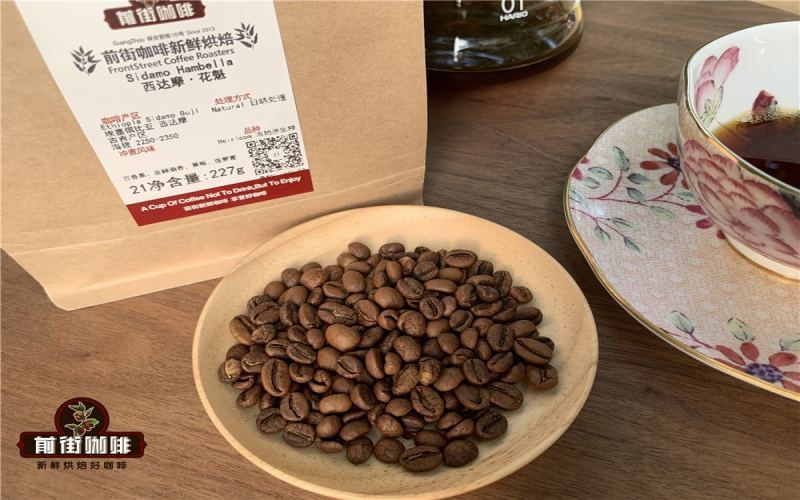
Ethiopia Guji Hambela Huakui Coffee Beans Flavor Analysis and Pour-Over Parameter Guide
Huakui coffee beans are a gem from Hambela in the Guji region of Ethiopia. With a stunning strawberry-cream flavor, they won the 2017 TOH competition and were subsequently named "Huakui" by a domestic green bean merchant. These beans come from the Buku Abel processing station and use the natural processing method. Fully red cherries with a sugar content above 30 are dried on African raised beds, creating a sweeter taste than other Sidamo producing areas. From 1.0 to 6.0, the Huakui series is updated every year, and the flavor has gradually evolved from intense strawberry to a full-bodied profile of citrus berries and mango juice. Front Street Coffee has long tracked each version of Huakui. This article will comprehensively sort out the origins and development of these beans for coffee lovers, from producing-area background, processing techniques, and variety characteristics to version distinctions, brewing suggestions, and flavor descriptions. [more…]
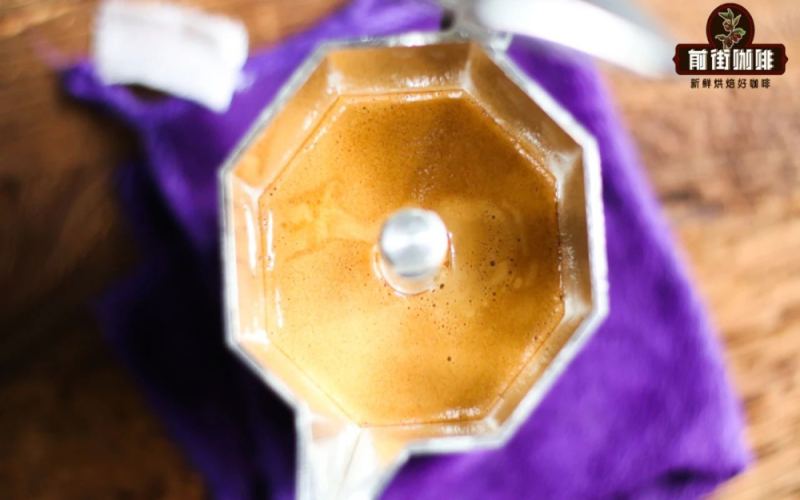
Can Huakui coffee beans serve as a substitute for Geisha? The origin of the name Huakui and a guide to brewing light-roast beans with a moka pot
Nearly seventy percent of the moka pot inquiries Front Street receives are about how to brew light-roasted beans with a moka pot. Huakui, as a standout choice among light-roasted beans for its value, is often used to make moka pot coffee, but many people find after brewing that it is either bland and tasteless or sharply sour and biting. What exactly is Huakui? Why is it called Huakui? What is its relationship to Geisha? How can you brew Huakui's signature strawberry-and-cream flavor with a moka pot? This article, from Front Street's perspective, first introduces Huakui's origin background, naming story, and batch numbering rules, then analyzes why light-roasted beans are prone to underextraction in a moka pot, and provides practical adjustment solutions such as grinding finer, increasing the dose, and controlling the heat, to help you brew that ideal cup of "Huakui flavor." [more…]
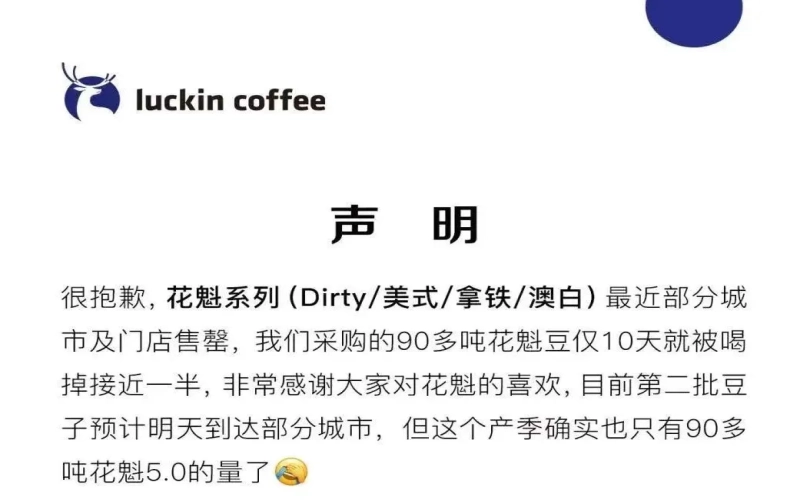
Luckin Launches Another Huakui PLUS Series SOE, Unveiling the Story Behind the Huakui Queen Coffee Beans
Luckin Coffee's previously launched Huakui 5.0 SOE sparked widespread discussion in the market, with话题 ranging from its low-price strategy to insufficient stock and repeated sellouts. Now Luckin plans to launch the Huakui PLUS series SOE in the second half of the year, with purchases reportedly set to exceed 250 tons, aiming to become the world's largest buyer of Huakui PLUS green beans. So what exactly is Huakui PLUS? How does it differ from Huakui 5.0 and Huakui 6.0? This article will review the sales history and purchasing details of Luckin's Huakui SOE, and take a deep dive into this natural-process heirloom variety from the Buku Abel washing station in Sidamo—the coffee bean named "Huakui Queen" by domestic green bean traders. [more…]
The Naming Origin of Huakui Coffee Beans and Their Relationship with the Sidamo Guji Region: From TOH Champion to Version Evolution
In recent years, Huakui coffee beans have risen to fame in the specialty coffee world, and are even regarded as an Ethiopian representative capable of rivaling Geisha. However, many enthusiasts remain confused about why it is called "Huakui," whether it belongs to the Sidamo region, and what differences exist among the various versions from Huakui 2.0 to 6.0. This article, from the perspective of Front Street, systematically sorts out the naming origins of Huakui, its regional affiliation, processing methods, and version evolution, and combines these with the actual cupping performance of Front Street Huakui 6.0 to present the true character of this coffee bean. Whether you are just encountering Huakui or want to gain a deeper understanding of the patterns in its flavor changes, you will find clear and professional answers here. [more…]
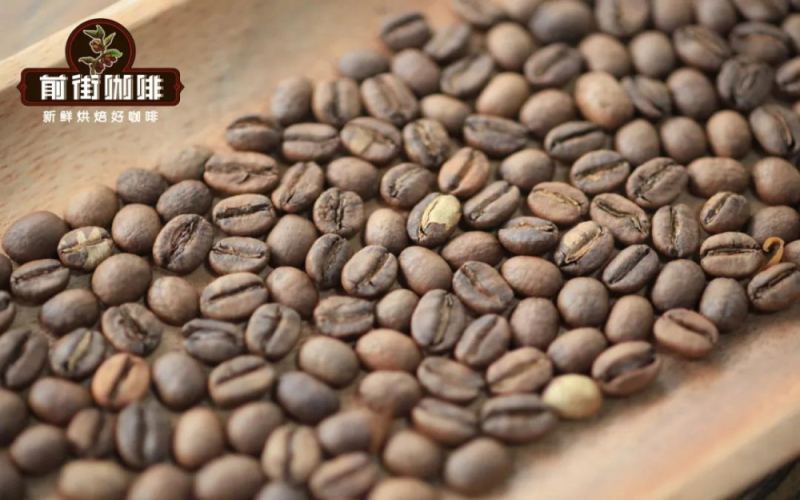
A Complete Guide to Ethiopia Sidamo Guji Coffee Beans: Hand-Brewed Flavors and Brewing Tips for Small-Bean Guji
Huakui coffee beans have been a constant topic of conversation in the specialty coffee world in recent years. From the 2017 TOH sun-dried champion to Huakui 5.0 in 2021, the flavor varies with each harvest season, which is why DW Company uses the X.0 format to distinguish year batches. This article sorts out the origins of Huakui, the meaning of "small-bean Huakui," and the characteristics of the sun-dried processing method. It also combines Front Street Coffee's cupping comparison of the 2017 champion batch and the 2021 Huakui 5.0 to explain the similarities and differences in flavor between the two. Finally, it provides Front Street's specific parameters and three-pour method for brewing Huakui with a V60 dripper, helping coffee lovers gain a more complete understanding of this bean's background and brewing approach. [more…]
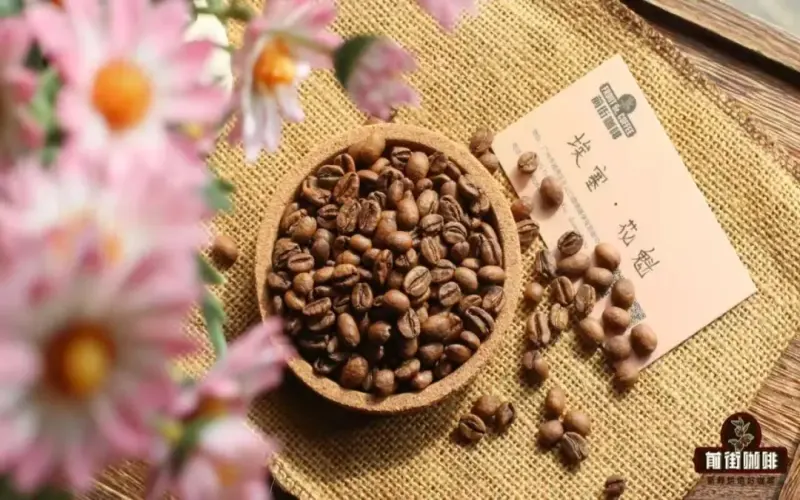
Ethiopian Sidamo Sun-Dried Huakui | Single-Origin Coffee Bean: Are Huakui, Gesha, and Geisha the Same Coffee Variety? What Is the Difference Between Huakui and Geisha?
If a customer is looking for the most cost-effective coffee beans, then Huakui is definitely one of Front Street's top recommendations. But whenever Front Street mentions Huakui, some customers will say something like: "Oh, I know Huakui—it's a variant of Geisha / a variety of Geisha!" As you can see, even today there are still many people [more…]
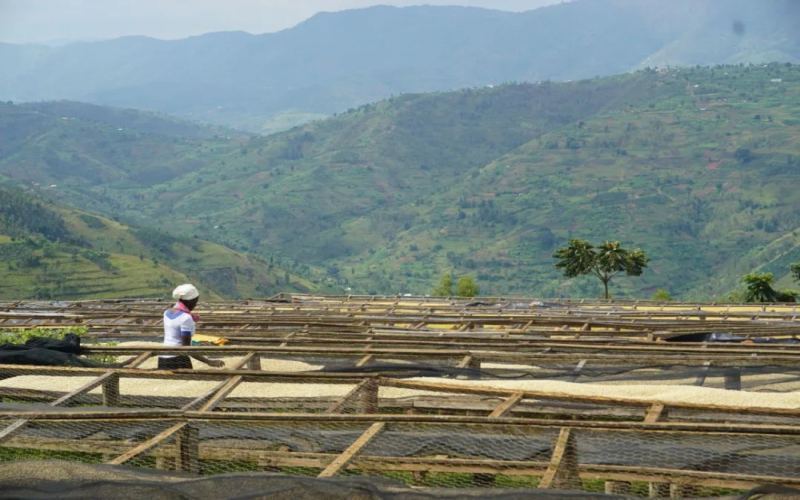
Ethiopia Hambela Region Natural Coffee Beans: Flavor Analysis and Brewing Guide—From Huakui to Small-Bean Huakui Comparison
Located in Hambela within the Guji region of Ethiopia, it is the highest-altitude coffee sub-region in the country, where humus-rich reddish-brown soil and pronounced day-night temperature differences nurture sun-dried coffee with a distinctive flavor. In 2017, a sun-dried lot from DW Company's Buku Abel processing station won the TOH championship and, after being introduced to China, was named "Huakui" (Flower魁), drawing widespread attention ever since. As the processing station expanded and harvest seasons changed, the Huakui series has been updated year by year, while Small-Bean Huakui, due to independent processing, displays a strawberry-cream profile closer to the original 2017 flavor. This article starts from the region's background, processing methods, and the naming logic of Huakui, and combines Front Street Coffee's cupping and pour-over comparisons to analyze in detail the differences between Small-Bean Huakui and Huakui 8.0 in aroma, acidity, sweetness, and aftertaste, along with complete brewing parameters, offering a reference for coffee enthusiasts. [more…]
Ethiopian Yirgacheffe and Sidamo Huakui 6.0: An Analysis of Regional Flavors, Processing Methods, and Brewing Key Points
Ethiopia, as the birthplace of coffee, has nurtured many producing regions that captivate specialty coffee enthusiasts. Among them, Yirgacheffe is renowned for the floral and citrus-lemon notes brought about by its washed processing, while Sidamo showcases a rich berry-cream character through its natural process. This article will outline the flavor characteristics and processing methods of these two regions, and focus on introducing the origins of Huakui coffee, the evolution of its naming, and brewing suggestions. From its TOH championship in 2017 to the launch of Huakui 8.0, Front Street Coffee has continuously followed every batch of this bean, and the article also includes a flavor comparison between Xiaoli Huakui and Huakui 5.0, as well as practical V60 brewing parameters, making it suitable for coffee enthusiasts who want to gain a deeper understanding of the charm of Ethiopian coffee. [more…]